
Japanese-style, luxury and standard remote glass-door cabinets belong to the same upright product family, but they should remain separate tender lines. The published XCCold catalogue gives each variant its own product page, visible style tag and product identity. A project team should select the cabinet by temperature duty, facade intent, door/bay arrangement and remote-system interfaces—not by the word “remote” alone.
The shortest safe process is: choose chilled or frozen duty, choose one exact visible variant, issue a cabinet schedule, and divide cabinet, refrigeration-plant and site responsibilities before comparing prices.
Three Exact Catalogue Rows
The synced product catalogue supports this comparison.
| Variant | Exact product identity | Published duty evidence | Visible/structural evidence |
|---|---|---|---|
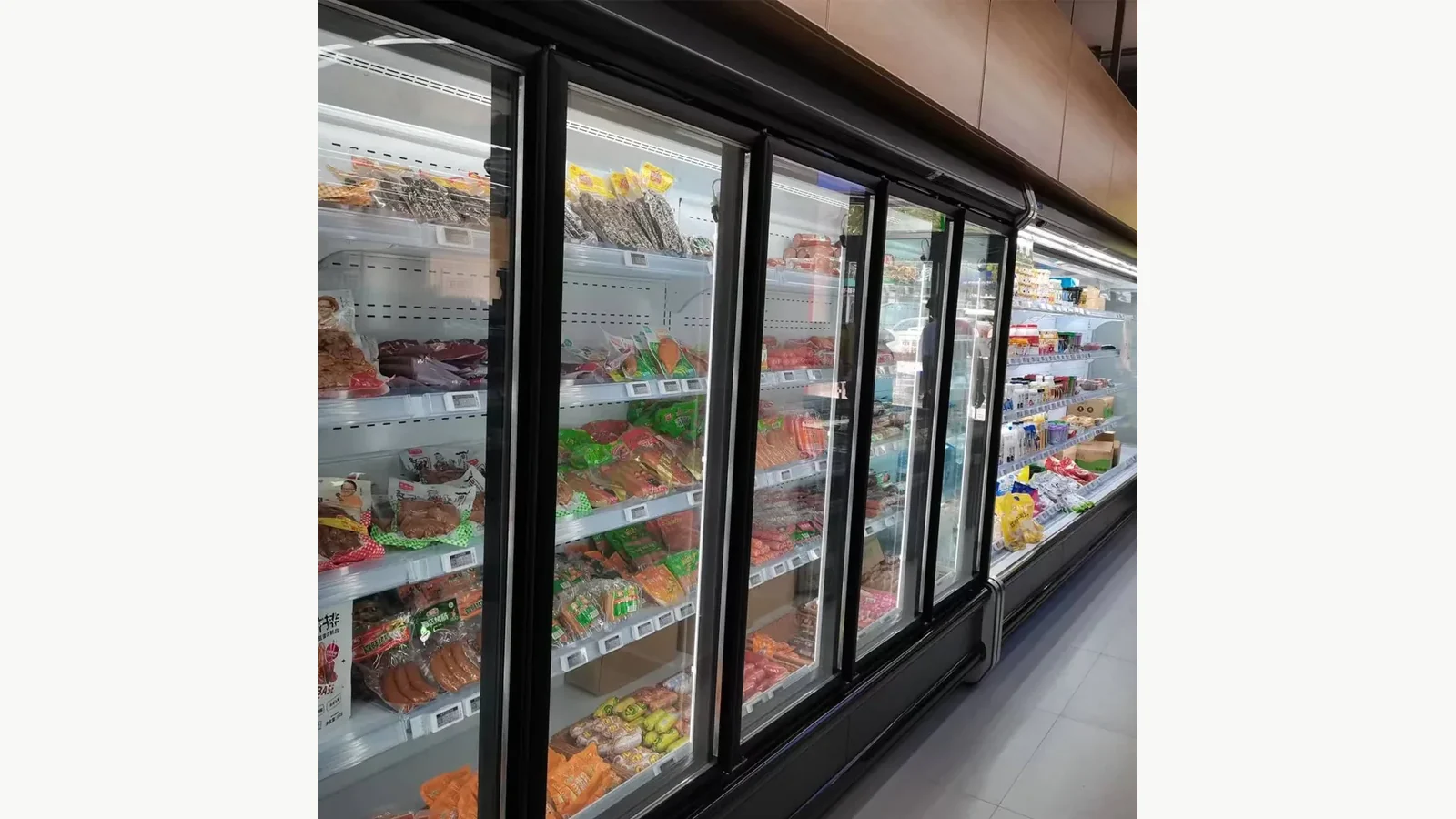
| Japanese style | Remote Japan Style Glass Door Chiller | Chiller, listed at 0–5°C | Remote, glass-door type, Japanese style; slim-profile swing-door presentation |
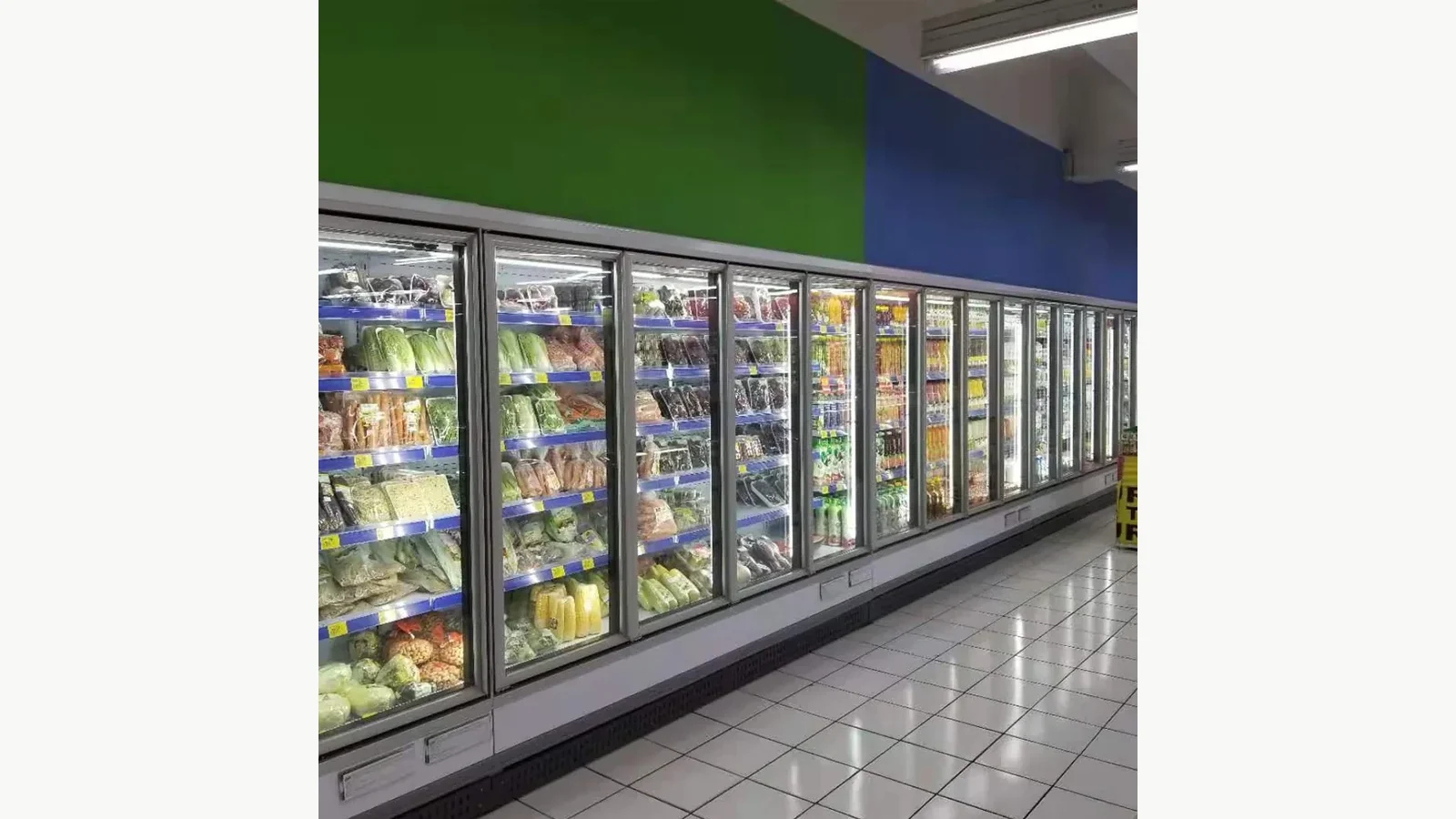
| Luxury | Remote Luxury Glass Door Chiller | Chiller, listed at 0–5°C | Remote, glass-door type, luxury; modular vertical display |
| Standard | Remote Standard Glass Door Chiller / Freezer | Chiller/freezer family; exact duty must be selected | Remote, glass-door type, standard |
The remote Japanese-style glass-door chiller is the primary inquiry landing page for the style-specific chilled option. The remote luxury glass-door chiller and remote standard glass-door chiller/freezer are different product objects, not SEO synonyms.
The standard row is especially important: its name contains chiller/freezer. A tender must state the selected duty and obtain the current model datasheet. The name alone does not authorize one cabinet to switch between chilled and frozen operation.
Start With Product Duty
Define the merchandise and required operating duty before discussing facade style. The product intelligence separates 0–5°C chilled models from -18 to -22°C frozen variants inside the wider glass-door upright family. The Japanese-style and luxury rows selected here are chiller rows. The standard row requires exact confirmation because its product title covers chiller/freezer variants.
This distinction controls more than the setpoint. It affects the exact cabinet model, plant selection, valves and controls, defrost approach, door specification, commissioning documents and site services. Those hidden technical fields are not proven by a front photograph.
Add these columns to the first cabinet schedule:
- cabinet ID and store zone;
- exact product URL or supplier model;
- chilled or frozen merchandise duty;
- required operating range from the current datasheet;
- number of doors and lineup length;
- Japanese-style, luxury or standard facade;
- remote connection schedule and plant owner;
- drainage, electrical and control interfaces;
- drawing revision and quotation revision.
The published guide to glass-door upright chiller door swing and end-wall clearance covers a critical site-fit check. This comparison goes one step narrower by keeping three remote catalogue variants distinct in the tender.
Japanese Style: Use It as an Exact Facade Choice
The Japanese-style product is visibly identifiable by its dark, slim-profile glass-door frontage in the approved product image. Its catalogue row is remote, glass-door type and Japanese style. Use it where that exact door-frame and facade language is part of the store concept.
The buyer still needs a project drawing. Confirm door count, mullion locations, handles, kickplate/base treatment, end panels, shelf arrangement, lighting and the transition to adjacent cabinets. “Japanese style” is not a dimension, and the image cannot establish the hidden refrigeration specification.
For approval, place a rendered elevation or exact factory drawing beside the catalogue reference. Mark which visual details are standard, optional or project-specific. If colour, trim or handle changes, update the variant approval instead of assuming the style name still describes the same facade.
Luxury: Freeze the Modular Lineup
The remote luxury chiller is published as a modular vertical display. It fits projects that want a long glass-door run with an explicitly approved luxury facade. Yet “luxury” is commercial naming, not a technical performance class.
The tender should translate that name into inspectable fields: door module, frame finish, base, end treatment, shelf count, lighting, lineup joints and required accessories. Ask whether the supplied elevation matches the exact luxury product row and whether all repeated bays share one revision.
For long runs, issue a cabinet-by-cabinet lineup rather than one total length. Number each bay and door. That helps the installer, merchandising team and service team refer to the same location after delivery.
Standard: Specify Chiller or Freezer Before Price
The remote standard product page is titled “Chiller / Freezer.” Treat that as a family boundary requiring an explicit choice. A standard chilled display and a standard frozen display cannot share a vague tender row such as “remote glass door refrigerator.”
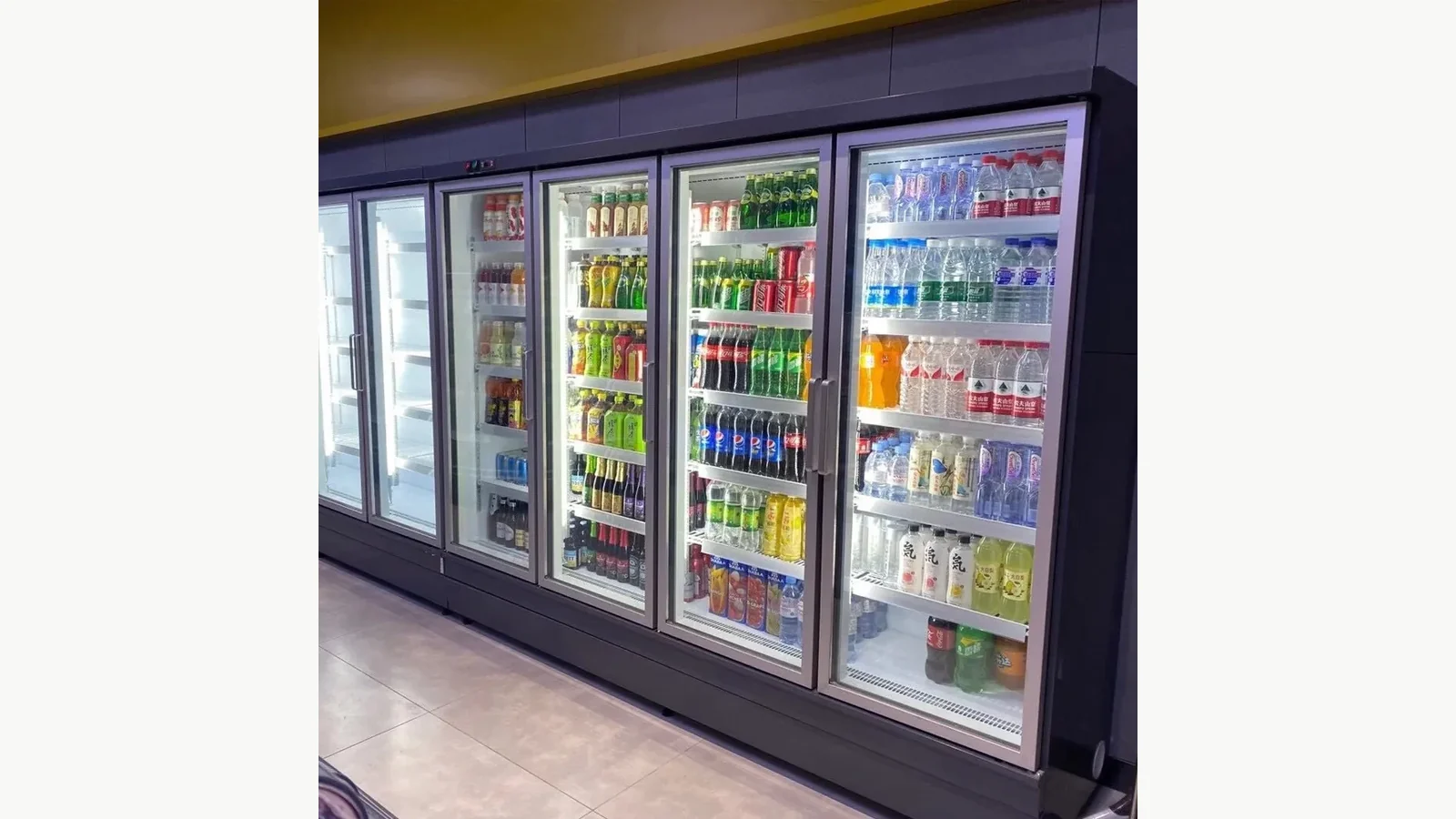
Request the exact standard variant, current temperature duty, model code and datasheet. Then put the chosen product identity on drawings, quotation, packing list and commissioning record. If both chilled and frozen standard cabinets appear in one store, give them visibly different schedule codes.
The standard facade may be visually simpler than the other named styles, but the buyer should not infer lower capability, energy use or price from the label. Those comparisons require like-for-like technical and commercial schedules.
Divide Remote-System Scope Before Comparing Suppliers
All three selected rows are remote cabinets. That means the quotation must state which party supplies and designs each external item. At minimum, clarify:
| Interface | Cabinet supplier | Plant/site party | Evidence required |
|---|---|---|---|
| Cabinet and doors | Exact included scope | Access and placement | Approved elevation and cabinet schedule |
| Remote refrigeration connections | Declared cabinet interface | Piping/system design | Connection schedule and responsibility matrix |
| Electrical/control | Cabinet loads and terminals | Feeds, isolation and integration | Current electrical schedule |
| Drainage | Cabinet outlet/interface | Route and site connection | Coordinated site drawing |
| Commissioning | Cabinet requirements | System test and sign-off | Agreed checklist and records |
| Service access | Cabinet clearances | Plant and aisle access | Coordinated layout |
Exact responsibilities depend on the project. The table is a coordination frame, not a substitute for an engineer's design or the supplier's current drawings.
Normalize the Three Quotes
Before comparing price, require every bidder to complete the same schedule. Separate base cabinet, doors, shelves, end panels, lighting, controls, valves, remote interfaces, accessories, packing, documentation and exclusions.
Then compare only rows with the same:
- chilled/frozen duty;
- Japanese, luxury or standard product identity;
- door count and lineup;
- visible finishes and end conditions;
- included cabinet components;
- remote-system scope;
- documentation and commissioning support;
- delivery and packing basis.
If a bidder changes the exact product row, record it as an alternative, not as a compliant price. This prevents a standard cabinet from being compared silently with a Japanese-style or luxury facade.
Approve One Bay Before Repeating a Long Run
For a larger project, review one representative bay or first production unit against the approved schedule. Check visible frame and door structure, door movement, shelf arrangement, lighting, labels, model identity, connection points and document pack. Record deviations before the remaining lineup is released.
The visual review confirms visible structure. Commissioning confirms the delivered technical configuration and system duty. Keep both records; neither replaces the other.
Send a Variant-Specific RFQ
Send the store layout, merchandise duty, required temperature range, chosen Japanese/luxury/standard variant, door count, lineup, facade finishes, remote-system responsibility matrix, access route and destination. XCCold can then return the exact product schedule, drawings and quotation for the same variant.
A good tender does not ask which style name is best. It shows which exact cabinet identity fits the store and makes every bidder price that identity on the same scope.